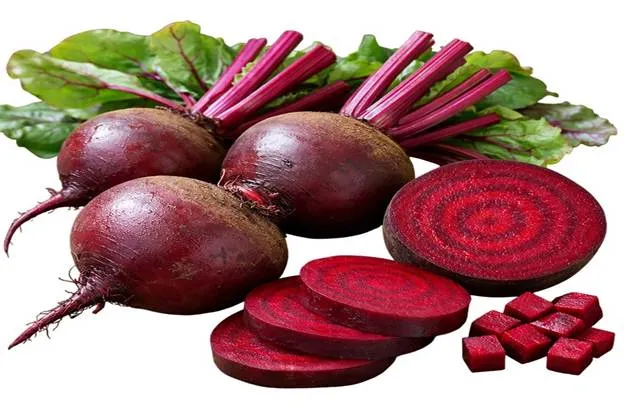
A pale croissant looks sad. A golden one looks like breakfast. Buyers judge by eye first, and bakers know it. Natural gold takes some skill, and a touch of Beetroot Colour can help warm a shade that looks too lemon. Simple goal. Not a simple job.
Synthetic yellow used to do this job in one step. Plant colors need a bit more thought. This guide covers the main gold sources, how they act in dough and milk, and how to test them. Small choices in the recipe make a big difference in the finished crumb.
Table of Contents
Why Gold Sells Baked Goods
Gold says fresh, rich and warm. It hints at butter, eggs and a good bake. Shoppers link that shade with taste before they take a bite. A dull loaf or a gray cheese slice can feel old, even when it is not. Fair or not, that is how eyes work.
Buyers also read labels now. Many want no synthetic dyes on the pack. That pushes bakers and dairy makers toward plants. Beetroot Red may sound like a pink product only, but it plays a quiet role in warm golden tones too, as we will see.
Turmeric, Annatto and Carotene Basics
Three plant sources lead the pack. Turmeric gives a bright lemon to gold. Annatto leans orange and suits cheese and butter well. Beta carotene brings a soft yellow orange and mixes easily into oils and creams. Each has its own mood.
Pick by the base. Annatto suits fatty foods, since it comes in oil or water forms. Turmeric can give a light spice note if used too much. Carotene is mild in taste. Start with the food, then pick the color. Easy rule.
Color That Survives the Oven
Baking is rough on color. Oven heat, long time and a dry crust all test a shade. Beta carotene holds up fairly well. Turmeric can darken or shift with high heat. Annatto usually stays warm and steady in dough. Not a rule. A tendency.
Crust color adds its own gold from browning. Plan for that. Think of it as a head start. A dough that looks deep yellow raw can bake up too dark. Aim a little lighter than the goal, bake a test tray, and judge the crumb and the crust apart.
Keeping Dairy Bright and Smooth
Dairy has its own traps. Milk is picky. Yogurt and cream cheese are tangy. Milk has protein that can bind color or cloud it. Choose a form that blends well, and mix it in before any thick set, so the shade spreads even.
Light is another foe. A clear tub in a bright fridge case can fade yellow over time. Opaque cups help. So does cold storage. Ice cream and butter also need color that stays put when frozen or melted. Test those moves too.
Fine Tuning With Warm Reds
Gold can look flat or too green yellow. A tiny dose of red moves it toward amber. Beetroot colour works well here in dairy, since it blends in water and milk. Use a very small amount, and add it a little at a time.
Bakery is trickier. Beetroot red can fade with long oven heat, so it fits frostings, fillings and glazes better than the dough itself. A warm golden glaze with a hint of red can look like caramel. Test small batches and keep notes.
Testing Before Full Production
Start small. Make three test batches with different color doses. Taste each one, since color can change flavor. Check the shade fresh, after one day and after one week. Then compare them under the same light. Do not rush this part. Phones lie about color.
Write down every dose and every result. Ask the supplier for stability data on your base. A real number beats a hunch. When the golden shade holds across the full shelf life, lock the recipe and move to the plant floor. Boring? A bit. Worth it? Yes.
Conclusion
Golden food without synthetic dyes is very doable. Choose the right plant source, respect heat and acid, and fine tune with a touch of warm red. Beetroot colour and its red cousins give a little extra control. Test, record and repeat. That is the whole plan.
Bakers and dairy makers who want plant based gold and warm red options can browse foodrgb.com and request samples for their own base. Try a few. Keep each test small. The right shade often shows up on the second or third test, not the first.