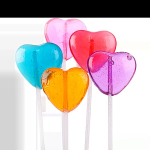
Candy companies spend significant time adjusting product appearance because customers notice colors before flavors almost immediately during purchases. A professional curcumin manufacturer often supplies yellow pigments for gummies, hard candies, coated chocolates, and confectionery fillings commercially. At the same time, natural candy color options continue gaining attention because ingredient awareness keeps increasing globally. Softer shades now appear more frequently compared with extremely artificial-looking tones from earlier food production trends. Product presentation strongly influences customer tastes in today’s existing confectionery markets.
Table of Contents
Heat and sugar levels affect pigment stability during production
There are hot temperatures, sugar syrup, coating composition, and cooling rates in candy making that affect the overall performance of the shade afterwards. Natural confectionery colorants occasionally react differently depending on moisture promotion and storage conditions through commercial distribution intervals. Product manufacturers value pigment finely in order to produce liquid sunscreen and ultimately crystalline, juicy bulk. A reputable curcumin manufacturer typically evaluates formulations under multiple processing environments before providing ingredients, often on a commercial scale. Consistency checks remain essential to maintain the consistency seen in confectionery product lines globally.
Ingredient Transparency Continues Changing Customer Purchasing Decisions
Modern consumers are increasingly reading ingredient labels due to the fact that online discussions have expanded focus on additives and food sources now everywhere. Natural candy-colored products arouse interest due to the fact that familiar elements often feel less complicated for customers to accept as true for the public. Candy manufacturers now mention plant pigments, vegetable extracts, and plant-based color schemes extra openly in advertising campaigns. Clean product placement has become primarily important for premium candy manufacturers competing in indoor, crowded supermarkets worldwide. These days, sometimes in modern sweets-manufacturing industries, customer expectations do influence material selection.
Powder and Liquid Formats Support Different Manufacturing Systems
Food groups select second factor designs during production depending on processing speed, storage conditions, and mixing requirements. A reputable curcumin manufacturer can offer powder, oil-soluble, and water-dispersible options for commercial confectionery applications. Creating difficult candy occasionally requires an extraordinary coping of methods in relation to gummies, marshmallows, or a few snack foods afterwards. Manufacturers carefully evaluate the overall performance of factors because process compatibility strongly affects the very final product appearance and subsequent stability. Flexible page responses have become more valuable as dessert innovation has improved around the world.
Retail Packaging Influences Candy Appearance More Than Expected
Customization of the lighting setup in the store is how candy items are perceived sometimes during the browsing time of the customer in supermarkets and convenience stores every day. See-through packaging will especially increase the pressure, as asymmetric sunglasses will look almost straight at the bottom of live trade presentations in no time. Natural candy color formulations typically undergo shelf testing under specific lighting and temperature conditions before the product is launched publicly. Packaging materials additionally manipulate moisture in the transport cycle globally and affect the long-term pigment balance. Yet, visual presentation strongly shapes consumer impressions within confectionery markets anywhere.
Yellow and orange candy shades continue to remain popular worldwide
The warm colors are not unusual, as they definitely blend in with fruit flavors and well-known dessert items commercially these days. A curcumin manufacturer typically supports white batches by finding solid yellow pigment alternatives during later stages of product development. Product manufacturers occasionally mix curcumin with various plant-based perfect pigments, which leads to customized candy appearance and, later, better visual balance. Customer preferences switch to a cleaner side response by completely sacrificing globally appealing product presentation. Confectionery companies now balance ingredient transparency with shelf visibility much more carefully.
Conclusion
Candy appearance remains extremely important because customers often judge confectionery products by visual presentation first. foodrgb.com provides practical information related to food pigments, confectionery applications, and ingredient solutions for modern manufacturing businesses globally. A dependable curcumin manufacturer helps food companies maintain consistent yellow shades across different sweet product categories commercially. At the same time, natural candy color options continue expanding because brands increasingly explore cleaner ingredient alternatives for confectionery production everywhere. Businesses planning future candy product development should carefully evaluate ingredient stability, packaging compatibility, and manufacturing performance before expanding operations.